Understanding Mobility Aids: Enhancing Independence and Quality of Life
Mobility help play a vital function in supporting people with limited mobility, allowing them to carry out daily activities with higher ease and enhancing their lifestyle. These devices range from easy tools to more intricate devices, each developed to fit specific requirements and supply assistance in numerous contexts. This post will look into the types of mobility help available, their advantages, and essential considerations for selection.
What Are Mobility Aids?
Mobility aids are gadgets created to assist people in walking around better and securely, whether in their homes, communities, or healthcare settings. They help decrease the risk of falls, promote self-reliance, and enhance the total lifestyle for those with mobility obstacles due to age, special needs, or short-term injuries.
Typical Types of Mobility Aids
The range of mobility help readily available can be frustrating. Below is an in-depth table that details the most common types, their features, and typical usage cases.
| Type of Mobility Aid | Description | Typical Use Cases |
|---|---|---|
| Wheelchairs | Wheeled devices for people not able to walk; can be manual or electric. | Long-lasting impairments, post-surgical healing |
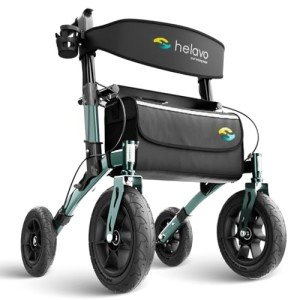
| Walkers | Frame-like gadgets that supply support while walking; often consists of wheels for easier motion. | Older grownups, those recuperating from surgical treatment |
| Canes | Single-point or multi-point rods used for balance and support. | Mild to moderate mobility concerns, instability |
| Crutches | Smartly designed support for people with leg injuries. | Short-term injuries, recovery from surgery |
| Scooters | Motorized mobility help for outdoor use or long ranges. | Persistent conditions that limit walking capability |
| Raise Chairs | Recliner chair chairs that can raise users for much easier standing. | Minimal strength or balance, elderly individuals |
| Home Modifications | Structural modifications such as ramps and grab bars to enhance access. | Numerous levels of mobility problems |
The Benefits of Mobility Aids
Mobility aids offer many benefits to users:
- Enhanced Independence: Users can walk around more freely, minimizing their reliance on caregivers.
- Increased Safety: Aids like walkers and walking canes assist preserve balance and decrease fall threats, which is especially essential for elderly users.
- Improved Quality of Life: With higher mobility, users can engage more completely in social, recreational, and personal activities.
- Increased Accessibility: Mobility aids can help users navigate their homes and neighborhoods more successfully, resulting in better access to vital services.
- Pain Relief: By supplying support while walking or standing, mobility help can minimize some pain connected with conditions like arthritis.
Factors to consider for Choosing the Right Mobility Aid
Picking the appropriate mobility aid often requires careful factor to consider. Here are some essential elements to bear in mind:
- Level of Mobility: Different aids accommodate various levels of mobility. Assess the person's strength and balance to figure out the most appropriate choice.
- Weight Capacity: Ensure the chosen gadget supports the user's weight.
- User Environment: Consider where the mobility aid will be utilized, such as indoors, outdoors, or in congested areas.
- Alleviate of Use: The gadget ought to be easy to run for the person, considering their strength and mastery.
- Storage and Transportation: Consider how the mobility aid will be transferred, especially if it is used outside the home.
- Cost and Insurance Coverage: Factor in the rate of the gadget and examine if insurance coverage can help cover the expense.
Regularly Asked Questions (FAQ)
Q1: How do I know which mobility aid is ideal for me?A1: Consultation with a health care service provider is advised. They can evaluate your specific requirements and advise suitable aids based upon your mobility level, health condition, and living environment.
Q2: Are mobility aids covered by insurance?A2: Many insurance plans do cover mobility aids, but protection varies considerably. Talk to your insurance provider concerning specifics.
Q3: Can mobility help be rented?A3: Yes, lots of medical supply business use rental alternatives for mobility aids, which can be an economical solution for short-lived needs.
Q4: How can I ensure my mobility aid is maintained?A4: Regular maintenance is necessary for safety and durability. Follow the manufacturer's standards for upkeep and take it for routine professional checks.
Q5: What adjustments can be made to homes for much better mobility?A5: Ramps, get bars, and non-slip flooring are all crucial modifications that can improve safety and availability for users of mobility aids.
Mobility aids are vital tools that empower people with minimal mobility. By enhancing independence and promoting security, these aids significantly improve the lifestyle for users. When picking a mobility aid, it is essential to think about individual needs, choices, and environments to maximize benefits. Consulting a healthcare expert can assist browse the options available. As society continues to prioritize ease of access, having actually informed discussions about mobility help will ensure that individuals can lead fuller, more independent lives.
In the grand plan, mobility help are not simply physical devices; they are keys to unlocking a world of possibilities and encourage active involvement in life. From Foldable 4-Wheel Walker to walking canes, each aid uses distinct benefits developed to fulfill the diverse requirements of users, promoting a better, more inclusive community.